
Reno winters can be brutal. It’s important to understand how HVAC systems work in winter to keep your home warm during these cold months. Whether you live in Sparks or the North Valleys, reliable heat is essential.
Yet many homeowners don’t fully understand how their HVAC systems work during the colder months.
Knowing how your furnace operates helps you stay prepared. It can also help you spot small issues before they become major problems.
Let’s break down exactly how your HVAC system works to keeps your Reno home warm all winter long.

1. It All Starts with the Thermostat
Your thermostat is the brain of your heating system.
When temperatures drop, the thermostat senses the change and sends a signal to your furnace.
That signal activates the system, telling it to start producing heat.
Programmable thermostats help reduce energy waste by adjusting temperatures automatically throughout the day.
Smart thermostats, like ecobee or Nest, can save Reno homeowners even more on energy bills during long winters.
2. Your Furnace Ignites the Burners
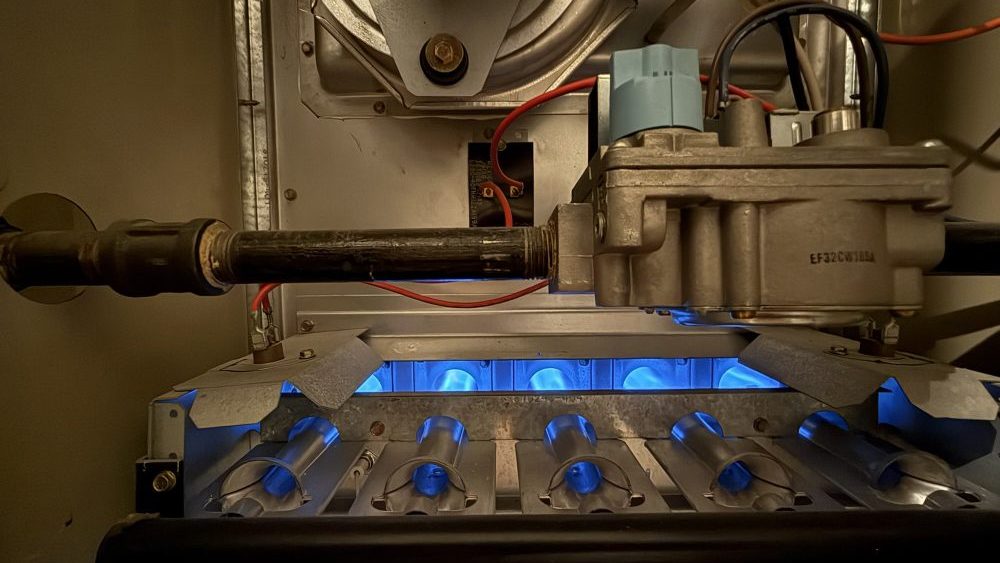
Once the signal is received, the furnace’s control board begins a startup sequence.
First, it checks safety switches and pressure sensors. Then it opens the gas valve and ignites the burners.
Older systems use pilot lights. However, most modern systems in Sparks and Reno use electronic ignition systems.
Burners heat up the heat exchanger, which is responsible for warming the air.
3. The Heat Exchanger Warms the Air
As the burners fire, the metal heat exchanger gets hot quickly.
Your system never mixes combustion gases with indoor air.
Instead, air is blown across the outside of the heat exchanger, absorbing the heat safely.
This warmed air is what circulates through your home via ducts.
4. The Blower Motor Pushes Warm Air into Your Home
Once the heat exchanger reaches the right temperature, the blower motor turns on.
It pushes air through your duct system and into each room.
Meanwhile, colder air is pulled back into the return ducts, creating a loop.
This continues until the thermostat senses the desired temperature and turns the system off.
5. Efficiency Depends on Age and Maintenance
Older systems don’t work as efficiently as newer ones.
As your furnace ages, components wear out and airflow weakens.
Even with regular filter changes, you may notice your system struggles to maintain comfortable temperatures in your Reno home.
This inefficiency costs you money and increases energy usage.
That’s why annual maintenance and timely upgrades are essential.
6. Safety Features Work Behind the Scenes
Every furnace includes safety features that protect your home.
Flame sensors, limit switches, and pressure switches constantly monitor system performance.
If something goes wrong—like overheating or poor airflow—the system shuts off to prevent damage or fire.
This is why you should never ignore frequent shutdowns or strange smells from your system.
7. Indoor Air Quality Is Also Managed by Your HVAC
In winter, your HVAC system not only heats—it also controls indoor air quality.
Dry indoor air is common in Reno. It causes dry skin, sore throats, and static electricity.
Adding a whole-home humidifier to your HVAC setup helps maintain ideal humidity levels and comfort.
Air purifiers can also remove dust, allergens, and airborne bacteria during cold months when homes are sealed tight.
8. Heat Pumps Operate Differently (and More Efficiently)
More Reno homeowners are switching to heat pumps for heating and cooling.
Unlike furnaces, heat pumps don’t burn fuel. They transfer heat using electricity.
In winter, they extract warmth from the outside air—even when it’s cold.
They’re ideal for our climate and can reduce energy bills by 30-40%.
Plus, heat pumps offer better indoor air circulation and more consistent temperatures.
Why Choose Paramount Heating and Air Conditioning?
If after reading about How HVAC Systems work in Winter for Reno and Sparks Homeowners and you are in need of heating service, you can trust the team at Paramount Heating and Air Conditioning. Thousands of Reno and Sparks homeowners trust Paramount Heating and Air Conditioning for one reason—we care.
Here’s what sets us apart:
- ✅ Locally owned and operated. We’re not part of a large national chain or private equity firm.
- ✅ Family-run business. We’re a small team that lives and works in the community we serve.
- ✅ Trusted by locals. Thousands of Reno and Sparks residents rely on us for honest, high-quality HVAC service.
- ✅ Experts in HVAC. Our certified technicians know how to fix, install, and maintain any heating system.
- ✅ Tailored solutions. From tune-ups to complete heat pump upgrades, we personalize service for your specific needs.
- ✅ No-pressure service. We explain your options clearly and let you decide what works for your home and budget.
When your heating system struggles or you want to explore energy-efficient upgrades, call the team that truly knows Reno homes.
Learn more about our heating repair and tune-up services and how our team of heating experts can help you stay warm this winter by clicking the button below!
Need Help with Your Furnace or Heat Pump?
Winter in Reno isn’t the time to gamble on heating.
If your system runs constantly or struggles to keep up, don’t wait.
Let Paramount Heating and Air Conditioning inspect your system, provide solutions, and ensure your home stays warm all season.
📞 Call us at (775) 309-4222 or click the button below to schedule an appointment online with one of our heating experts!
We’ll be there—on time, every time—with local expertise you can trust!
